
👉 Join the escort platform and get a starter bonus $100 balance

London's Stringfellows Seeks Second Venue in Mayfair Amid Local Opposition

Stringfellows has applied to Westminster City Council for a second London venue in Mayfair, drawing objections from the Metropolitan Police and local residents over late-night hours and noise. Here's what's actually being proposed, who's pushing back, and how it fits into a broader fight over London nightlife licensing in 2026.

London's Stringfellows Seeks Second Venue in Mayfair Amid Local Opposition
Autor post James Whitaker

Last update: Aug 28, 2026

Reading time: 5 min

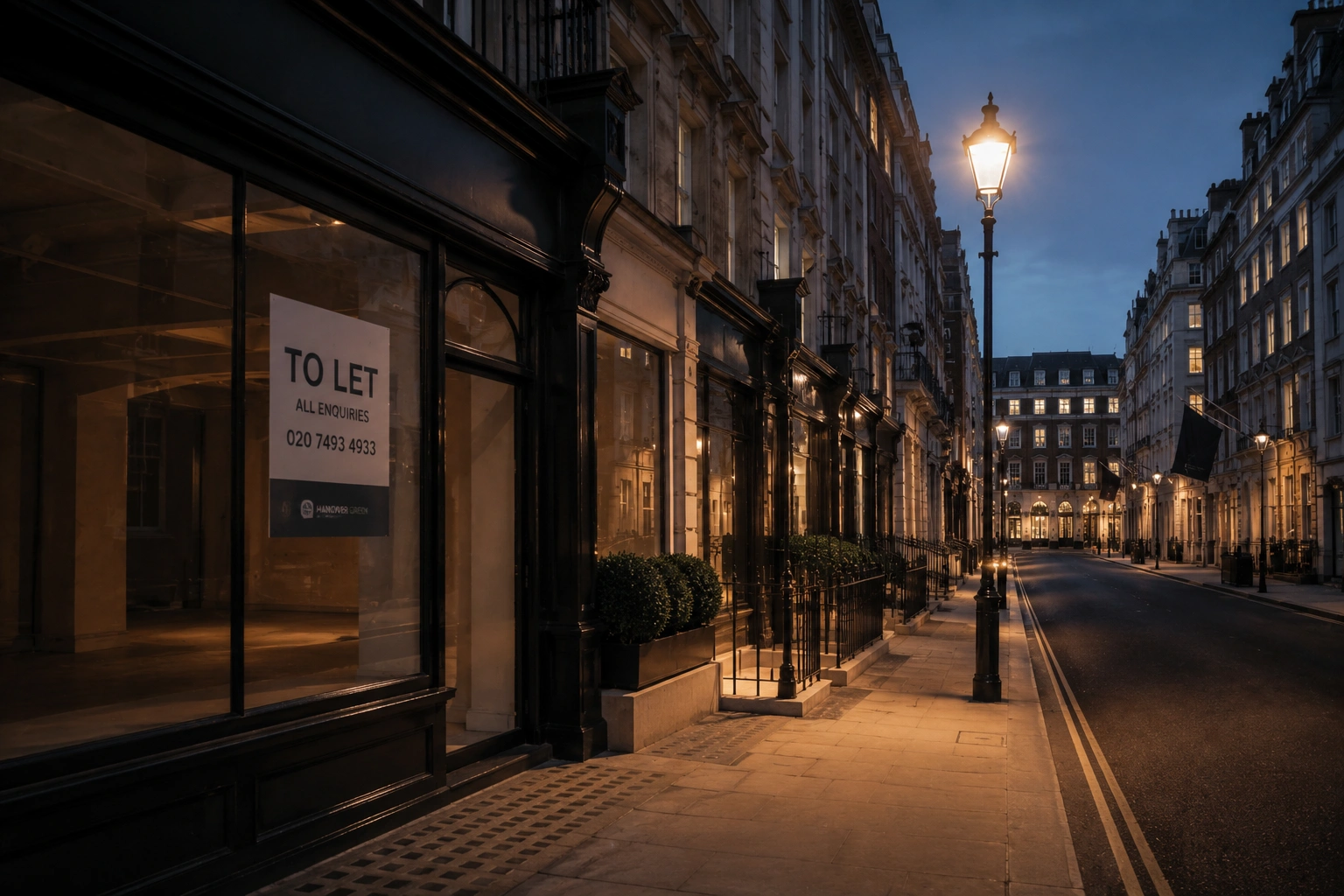
Stringfellows, the Covent Garden institution that's been part of London's late-night landscape since Peter Stringfellow opened it in 1980, has applied to Westminster City Council for a second London venue — a Sexual Entertainment Venue licence and premises licence for 8-9 Dover Street in Mayfair, a site that's sat empty for several years.

What's Actually Being Proposed

If approved, the new club would be permitted to stay open until 6am seven nights a week, putting it on the same late-night footing as the original Covent Garden venue. Lawyers for Stringfellows have argued the format works in the club's favour here: an SEV operates under stricter, more discreet licensing conditions than a standard nightclub, and the company's position is that this makes it less disruptive to neighbours than an equivalent late-night bar or club license would be.

The Objections

The application has drawn pushback from multiple directions. A Metropolitan Police objector raised concern about policing an already stretched area during the proposed hours. The Mayfair Neighbourhood Forum argued the area's evening economy has already grown enough to strain residents on otherwise quiet streets, citing noise from both increased footfall and amplified music from venues nearby. Individual residents have echoed similar concerns about the impact on the neighbourhood's character.

The Wider Licensing Backdrop

The application lands amid a broader tussle over how London's nightlife gets licensed in the first place. Under the English Devolution and Community Empowerment Act 2026, Westminster is now required to consult City Hall on its licensing strategy, following new powers that let the Mayor intervene in local licensing decisions. Westminster's own leadership has pushed back on suggestions that licensing rules are what's actually squeezing operators, pointing instead to rising costs and staffing pressures as the bigger issue facing the borough's nightlife businesses generally.

Where Things Stand

A council decision on the licence applications was expected within days of the application becoming public in early March. Central London's Sexual Entertainment Venue policy already governs a small, well-established cluster of licensed venues in Soho and the West End, and how this particular application is resolved will say something about how much room the borough is willing to make for a second cluster forming further west in Mayfair.

The Bottom Line

Whether or not this specific application is approved, it's a useful snapshot of how contested London's nightlife licensing has become — balancing an operator's commercial case, genuine policing capacity concerns, and residents pushing back on a changing neighbourhood, all within a licensing framework that's itself being reshaped by new devolution powers this year.


Log in, to leave a comments


Comments 0

There are no comments for this post yet. Be the first!

Related articles Show All Articles

What Is Pegging? A Beginner's Guide for Curious Clients

Pegging comes up often enough in booking conversations that it's worth a plain explanation. Here's what it actually is, where the term came from, the misconceptions worth clearing up, and how to bring it up with a provider without the awkwardness most people expect.

Aug 31, 2026

Independent Escorts vs Escort Agencies: What's the Difference?

The word "escort" covers two genuinely different business models, and mixing them up leads to mismatched expectations on both sides of a booking. Here's what actually separates an agency from an independent provider — how pricing, communication, and screening differ, where TrystHub fits into that picture, and how to tell which one you're looking at before you reach out.

Aug 21, 2026

Strip Clubs vs Escorts: What's the Difference (and Which Fits What You're Looking For)

Both fall under "adult entertainment," both cost money, and both get lumped together in casual conversation — but a night at a strip club and booking a private companion are structurally different experiences. Different economics, different privacy, different things you're actually paying for. Here's what each one really offers, how the costs compare, and which one actually fits what you're looking for.

Aug 20, 2026

Hotel Etiquette When Booking an Escort: A Discreet Guest's Guide

Most of the stress around booking an escort at a hotel has nothing to do with the appointment — it's the logistics. Does the front desk need to know? What happens in the hallway? Nearly nobody explains this plainly, so people either overthink it or make avoidable mistakes. Here's what hotels actually care about, what discretion looks like in practice, and how registration, elevators, and check-in conversations really play out.

Aug 20, 2026

PSE vs GFE vs Companionship: What These Escort Terms Actually Mean

Browse enough escort profiles and you'll run into the acronyms fast — GFE, PSE, and “companionship” used almost interchangeably in some listings and sharply distinguished in others. None of them describe a fixed menu of acts. They describe tone. Here's what each term actually signals, where the confusion comes from, and how to talk about what you're looking for without relying on a shorthand that means something slightly different to every provider who uses it.

Aug 19, 2026