 James Whitaker
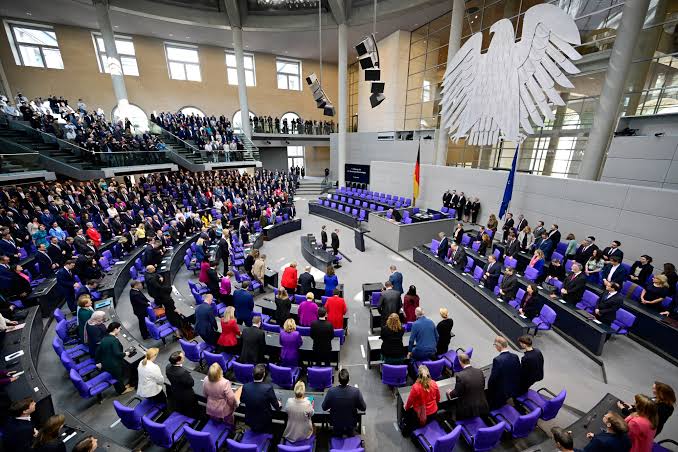
The Bundestag is set to debate a big overhaul of Germany's human trafficking laws on June 26. The federal cabinet approved the draft bill on May 27. The law transposes EU Directive 2024/1712 into national law, and the government has to meet a July 15 deadline for that. It also goes further than just copying the EU rules: it reworks the underlying criminal code provisions on trafficking and sexual exploitation.
What Actually Changes
The bill widens the legal definition of trafficking. Besides the existing categories, it now covers exploitation linked to surrogacy, illegal adoption and forced marriage. It also adds a demand-side criminal offense, Nachfragestrafbarkeit, that applies to every form of trafficking exploitation in the law, not only sexual exploitation. SPD lawmaker Johannes Fechner, the bill's parliamentary rapporteur, describes the reform as cleaning up a patchwork of unclear rules while giving victims better protection.
What This Doesn't Touch
Let's be exact about what this covers. The law targets trafficking and coerced exploitation. It does not target the regulated, voluntary companionship industry that works under the separate Prostituiertenschutzgesetz (ProstSchG) framework. That matters, because public debate mixes the two up all the time. Registered, independent providers working under ProstSchG aren't what this bill is about. It's aimed at trafficking networks and forced exploitation. Our analysis of Germany's 2025 legislative changes covers how ProstSchG itself has changed, separately from this trafficking reform.
Next the bill goes to committee, with the Rechtsausschuss (legal affairs committee) leading further discussion. If you're a provider or client trying to keep track of which rules apply where, our city-by-city legal guide is an easier place to start than following the legislative process yourself.