
 James Whitaker
You know what really changed after Backpage got shut down? The online classifieds market broke into lots of small pieces. Everyone used to be on one platform, and now everyone does their own thing. The industry is worth about $39 billion today, and every platform is fighting for users. After FOSTA-SESTA and the arrests of Backpage's owners, more "safe" and advanced services did show up. But the market is now so scattered that it's actually harder for police to find trafficking victims. The authorities admit this themselves, it's written right in the GAO report.
People have choices now. Want premium with strict verification? You pay for it. Don't want to pay? Go to free aggregators, where you'll get scammed fast. And then there are "ethical" services that sex workers set up for each other. Making sense of all this matters, especially now that more than half of sex workers have moved online and AI and biometrics are part of the whole scene.
What actually happened with Backpage and why was it shut down?
On April 6, 2018, federal agents (FBI, postal inspectors and the IRS) seized Backpage.com and arrested Michael Lacey and James Larkin at their homes in Arizona. The DOJ hit them with 93 (!) charges, for prostitution, money laundering and breaking various laws. The site started in 2004 as an alternative to Craigslist. By the time it was shut down it was worth over half a billion dollars and worked in almost a thousand cities around the world.
In 2017 a Senate investigation found Backpage was linked to 73% of all child trafficking cases in the US reported to the National Center for Missing and Exploited Children. The money? 82% of revenue came from adult ads, more than $39 million just for 2012-2013! At its peak there were literally a million (!) prostitution ads posted per day. And Backpage staff actually edited ads, deleting suspicious words like "Lolita" and "young" so the police wouldn't notice. So they knew exactly what they were doing.
Here's the interesting part though. Classified DOJ documents from 2012-2013 show an FBI agent called Backpage "remarkably responsive" compared to other sites. They answered requests within about an hour, gave info even without a subpoena if the case was urgent, and reported suspicious things themselves every month. In 2011 they even got a certificate of appreciation for cooperating! All this was hidden from the defense at trial.
Now pay attention: five days after Backpage went down, Trump signed FOSTA-SESTA. The law took away Section 230 protection from sites linked to trafficking. Owners can now go to prison if they knowingly help prostitution. The twist is that the Backpage guys weren't tried under this new law, they were tried under the old rules. So why was a new law needed at all? Nobody really answered that.
How the industry changed after Backpage's closure
Right after the closure it was a real shock. Sex ads dropped by 62%. There were about 2.75 million ads in March, and in April 2018 barely a million, if you trust the numbers from childsafe.ai CEO Rob Spectre. Craigslist played it safe and removed "Personals" on March 23, before FOSTA-SESTA even passed. Their line was "any tool can be misused", sure, like a screwdriver in a pickle jar. Reddit shut down all sex-related subreddits too. Lots of escort platforms just vanished or moved offshore.
The chaos didn't last long though. By September 2018 the market was back to 75% of its old size, the Washington Post wrote. By fall Marinus Analytics counted 146,000 sex ads per day on the top escort sites. Everything got very fragmented: one big platform turned into lots of small ones, and many moved offshore to escape American laws. And on top of that, a 2024 study in Management Science says closing Backpage and Craigslist didn't change prostitution arrests, violence levels or trafficking reports. The sex market simply moved to other sites, that's all.
For sex workers the results were bad, to put it mildly. A Hacking/Hustling survey in January 2020 showed almost 34% saw more violence from clients after FOSTA-SESTA, and 72.5% got hit harder financially. People were literally "pushed to pimps" just to find work, and many went back to toxic relationships to avoid ending up on the street. Street work went up, and that's far more dangerous than screening clients online. Police in Riverside County, California reported more street prostitution after Backpage closed, since arrest quotas stayed the same. It just moved from online to the pavement.
For the police it became a headache too. The GAO government report says the FBI now has far fewer chances to identify trafficking victims and catch criminals. Everyone used to be on one platform, and now there's a mess of dozens of small sites, most of them abroad. Getting evidence is a real pain: with an offshore site you can wait months for a reply to a request, sometimes years.
And the ending: in seven years since FOSTA-SESTA, the DOJ used the new law exactly once. In 2020 they arrested Wilhan Martono for running CityxGuide (a kind of Backpage replacement), he pleaded guilty in 2021 and became the first person convicted under FOSTA. Civil compensation for victims? Zero, not a single case, officially, according to the GAO report from June 2021. Some "fight".
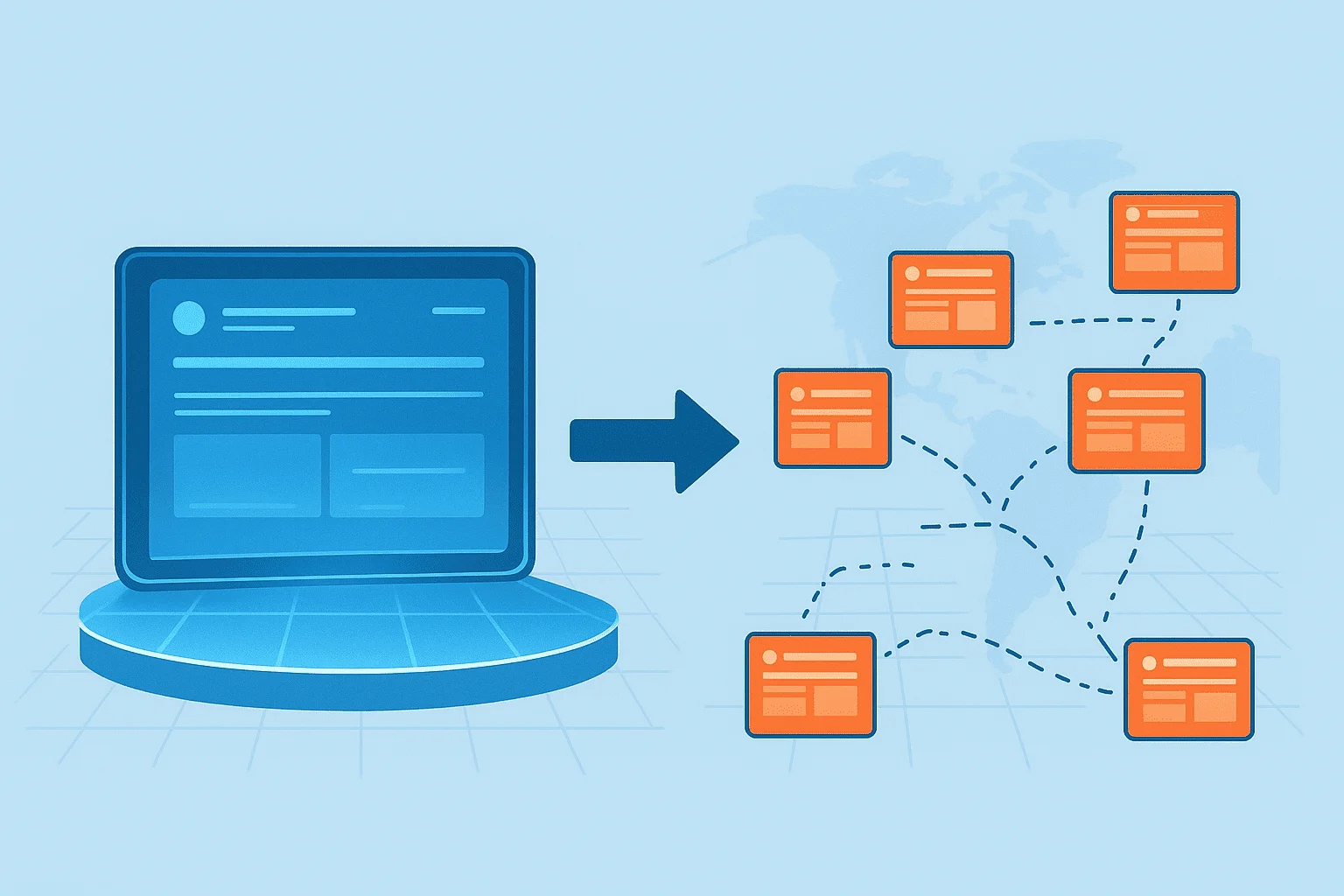
Top 4 verified Backpage alternatives in 2025
TrystHub: A fresh wind among adult classifieds platforms
TrystHub.com really is a breath of fresh air after all the Backpage chaos. It's a brand new platform built with today's risks in mind. The focus is security and a friendly feel, and it isn't tied to one country. You'll find the US, Europe, Asia and pretty much anywhere else.
What's good about it? The interface doesn't get in your way, it runs fast on mobile, there are plenty of categories and lots of listing options. They take security seriously: filters, anti-fraud tools, so getting scammed isn't easy. Profiles can earn an ID-verified badge, and there are reviews. Prices are flexible, with a bunch of plans. Signing up and posting an ad is simple, you don't need to be a genius.
If you've been looking for something sensible since Backpage closed, this is it, a solution that works for most people. Modern style, real security and convenience in one place. I wouldn't be surprised if TrystHub really takes off in 2025.
Tryst: A platform with soul – by sex workers and for sex workers
On Tryst.link you really feel the difference. It feels more like a community, built by people who know the industry from the inside. Assembly Four made it in 2018, when FOSTA-SESTA broke everything, and now Tryst works almost everywhere: USA, Europe, Asia, Canada, Britain.
The starter plan is free, but only after a manual profile check. No dumb bots, real people check everything, and the standards were written by workers themselves. If you want more features, paid plans start at $35 per month.
Pluses: real support for LGBTQ+, priority for marginalized communities, nothing toxic. Everything's open and the terms are clear. No middlemen, nobody stands between provider and client.
Slixa: Luxury market with strict verification
Slixa is less a classifieds board and more a luxury escort market. It works in the US, Canada, UK and Australia. Clients pay from $800 per hour (yes, really), and that's just the minimum, so don't expect budget prices.
They don't say how much advertisers pay, but everyone knows verification is tough: you need professional photos, every image gets checked, and they can turn you down if you don't fit.
The interface is stylish, like a glossy magazine. They care about quality more than crowds: the user base is smaller (27,000 per day versus 162,000 on Eros), but the audience has money and the reputation is solid. If you want luxury instead of mass market, this is the place.
Eros: Industry dinosaur that's still in the game
Eros.com is the grandfather of them all. It's been around since 1997 and is still going strong. The main focus is top escorts, the US base is huge, and they're doing fine abroad too.
For providers, a listing costs around $400 per month (if you're somewhere like New York), and viewing is free for clients. There's an "Eros-verified" status, but not for everyone, only some providers get it.
The design is as polished as a new iPhone. Profiles are detailed and the info is laid out clearly. Yes, they've had scandals, but Eros still keeps the bar high, and 162,000 visitors per day is no joke. If you want a proven classic, go here.
Comparative table of key platforms
| Platform | Best for | Price | Verification | Global reach |
|---|---|---|---|---|
| TrystHub | Universal modern platform | Competitive | Security system | 5/5 |
| Tryst | Ethical, worker-led | $35/month | Manual, strict | 5/5 |
| Slixa | Luxury, premium | $800+/hour | Strict, photo | 4/5 |
| Eros | Established, USA | $400/month | Selective | 4/5 |
How to spot scammers and stay safe
These days almost every classifieds board fights scammers hard. There are still human moderators, but now big AI systems with 97% accuracy catch fake profiles. Random Forest, LSTM, all the trendy machine learning stuff is out there catching tricks an ordinary person would never notice. They flag VoIP numbers instead of real phones, run photos through the internet to find stolen pictures, and scan texts for tired lines like "hurry up, only two hours left!" Tricksters don't get to relax.
Now the red flags. If someone gets too pushy, rushes you, says "let's close this fast or it's gone tomorrow", or worse, asks right away for your passport, social security number and so on, that's a clear sign: stop, you're about to get scammed. Same if they push you to move to WhatsApp or some Telegram instead of writing through the site. There's a reason for that.
Money is its own story. If they want payment through Western Union or gift cards, or promise "I'll pay you more, just send me the difference", run. Never pay upfront and don't agree to strange payment setups. And if a "friend", "nephew" or "courier" suddenly shows up to collect everything while the seller disappears, that's a classic.
You can check profiles for warning signs too. A VoIP number instead of a normal one? Photos that look too glossy or like stock images? A profile that says nothing about the person, or an account made yesterday? All reasons to be careful. Even worse if they send fake documents, the account is private and the activity is patchy, silence and then suddenly a flood of messages.
Behavior gives people away as well. If someone won't meet in a busy place, wants you to come somewhere remote or insists on doing the deal "remotely", or asks for your data or credit report before you've even met, why would they need that? Brand new accounts and sudden bursts of activity are another warning.
Now, how to sleep well at night. Turn on two-factor authentication everywhere, use real passwords, not "qwerty123", and don't reuse them across sites. Change passwords every couple of months, keep them in a password manager, don't spread your personal info around, and always write first through the platform's messages, not straight to a stranger's DMs. You can set up a separate email for this and get Google Voice so you don't give out your mobile number.
Meet only in busy, well-lit places. Really, not in an alley. Don't bring strangers home (and don't go to theirs if they invite you, this isn't the TV show "Lost"!). Bring a friend or at least tell someone where you're going and when you'll be back. Share your location from your phone and listen to your gut. If something feels off, just leave.
With money: meet in person and pay after you've checked everything. Better to use PayPal or the platform's built-in payments, no transfers and no gift cards. If someone hands you a check, make sure it's not fake. TrystHub does not handle payments, so if there is a deposit, agree it directly with the other person and only by a traceable method. Keep a record of everything you agree on. And yes, almost every second buyer really worries about their data now: 83% say it's super important, and 80% want to be sure their contacts won't leak (PwC data for 2024, for anyone who likes exact numbers).
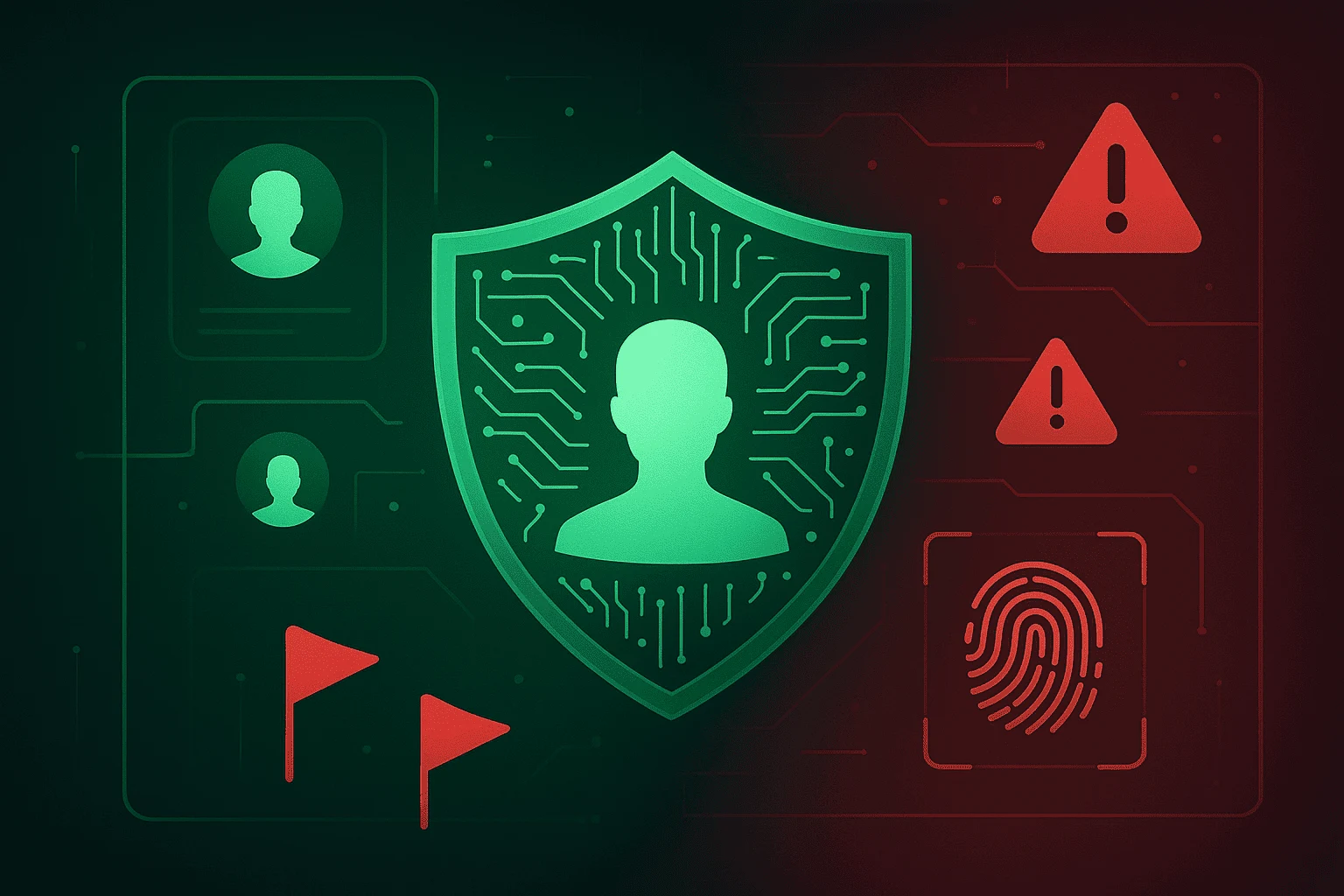
Technological innovations are transforming the industry
Honestly, the online classifieds market has gone a bit wild with all the AI stuff. A quarter of top platforms have already built AI into their services, and it pumps out personal recommendations nonstop. Machine learning adapts to what you like: you look at an ad for a bike and you get ten more like it, maybe better ones. AI chatbots now help buyers and sellers talk right away, without "please wait for an operator." Moderation and spam filters have grown into whole systems that clean out junk faster than you can blink. Search got smarter too, so good ads are easier to find.
Mobile rules, seriously. This year mobile traffic is already 60% of the whole web, and desktop is slowly fading. Mobile ads took a full 85% of the market. Looks like nobody gets excited about banners on a computer anymore. Americans spend a third of their lives on their phones, and Gen Z is on another level: five screens at once, almost all of them have a smartphone, and they never put it down.
AR is a whole other story. You can try on sneakers or see how a sofa looks in your room without getting out of bed. In real estate and cars nobody works without virtual tours anymore, people want to see everything right away, ideally in 3D. AR advertising will soon be everywhere, reaching $6.68 billion next year, if you trust Emodo. And geolocation is almost magic: you walk past a coffee shop and get a discount offer. All this makes ads land right on target.
Verification looks like something from a sci-fi movie. AI scans your ID, checks it against databases around the world and matches thousands of data points in seconds. Selfie? Easy: it's compared with your passport photo and checked to be a live person, not Photoshop. Even with bad lighting or half your face covered, the system tells you how to take a proper picture.
Fighting scammers is like a chess match with bots. There's Random Forest with 97% accuracy on small datasets, LSTM for big data, and neural networks that spot things a person wouldn't notice in a hundred years. XGBoost is in the game too, a classic. It's all automated: VoIP numbers, reverse image search (so nobody steals other people's faces), keyword checks, tracking suspicious payments. If someone tries to cheat, they'll most likely get caught before they even realize it.
Forecasts and the future of the classifieds market
The numbers here are wild, like Bitcoin in 2017. The global online classifieds market, according to Straits Research, is already close to $27 billion in 2024 and should pass $61 billion by 2033. That's almost 10% growth a year. Other analysts are excited too: Future Market Insights says $39 billion by 2035, Business Research Insights says almost $62 billion by the same year, and Technavio promises growth of more than $34 billion in just four years. Everyone agrees the market is charging ahead like a train.
Asia and the Pacific are where things really boil. Almost 3 billion people there are online, more than half of all internet users on the planet! The region is speeding up: almost 60% of all global market growth in 2024 came from there. Governments are pushing too, with things like Digital India, people got into online trading after COVID, and most exports stay inside the region. India will soon lead, it has already pulled in $76 billion in investment and looks set to be number one by volume by 2028.
The US isn't boring either, it has 40% of the market. Americans live online as usual: almost every adult is online, internet ads will soon be worth 1% of GDP, everyone has a smartphone, and 28% of all their time goes into mobile apps. But their share is slowly shrinking, because Asia is growing much faster.
Gen Z is changing the game. They were born with a phone in hand and TikTok instead of a book. Almost 98% of young people aged 16-24 have a smartphone, they can use five screens at once, and 75% have basically forgotten about computers, everything's on the phone. Almost half are influencers or feel like they are. By 2029 Gen Z will spend more than baby boomers, and by 2035 they'll add almost $9 trillion to the global economy. Social networks and chatbots are their home turf, and if they have to pick between an ad and a blogger's advice, they'll pick the blogger without thinking.
And internet search? It's changing in front of us. People hop between platforms like grasshoppers: at the start of 2024, 28% switched platforms, and by the end of the year almost 35%. Google is losing ground, from 73% to 67% in six months, and ChatGPT tripled its share of general search. There are fewer people who've "never tried AI", while daily users have almost tripled. Everyone mixes: Facebook and Insta to chat, YouTube and TikTok for a laugh, LinkedIn for jobs, and special platforms for deals. Using many platforms is just how things are now. Voice search is already used by more than 30% of users, and competitors are merging into bigger players.