 James Whitaker
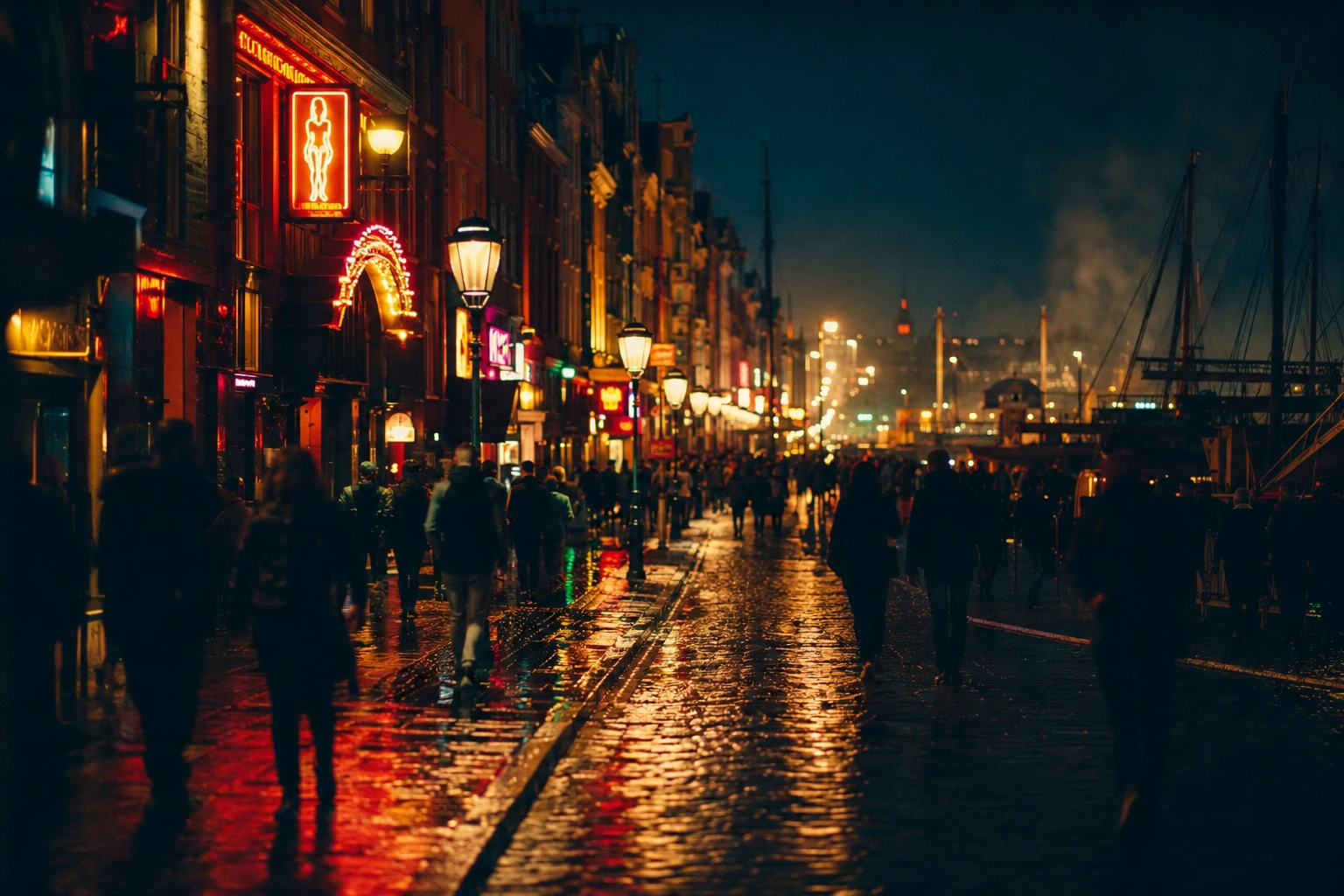
The Reeperbahn is Hamburg's red-light and nightlife district in St. Pauli, and the most famous one in Germany. People get it wrong a lot. It's part old sailors' quarter, part party street, part regulated sex-work zone, and more and more a normal tourist spot with theatres and music venues next to the adult trade. Here's what the Reeperbahn actually is, how the streets and rules work, what's legal, and how independent escorts fit into the picture most visitors have in their head.
What Is the Reeperbahn?
The Reeperbahn is a street about 600 metres long in St. Pauli, and the name people use for the whole entertainment area around it. The name comes from rope-making, "Reep" is Low German for rope. Rope makers needed long straight strips of open ground, and that's how the street got its length and shape centuries before it was known for anything else.
Its reputation came from Hamburg being one of Europe's biggest ports. Sailors with money and shore leave wanted bars, music and sex, and over generations the quarter built itself around that. Today it's in layers. The old adult trade still runs under German regulation, but it shares the streets with concert halls, comedy clubs, musical theatres and a party crowd that has nothing to do with the red-light business. Get that and you understand the district. It's the same difference our Hamburg escort guide makes for people who want to book, not just look around.
How Is the District Laid Out?
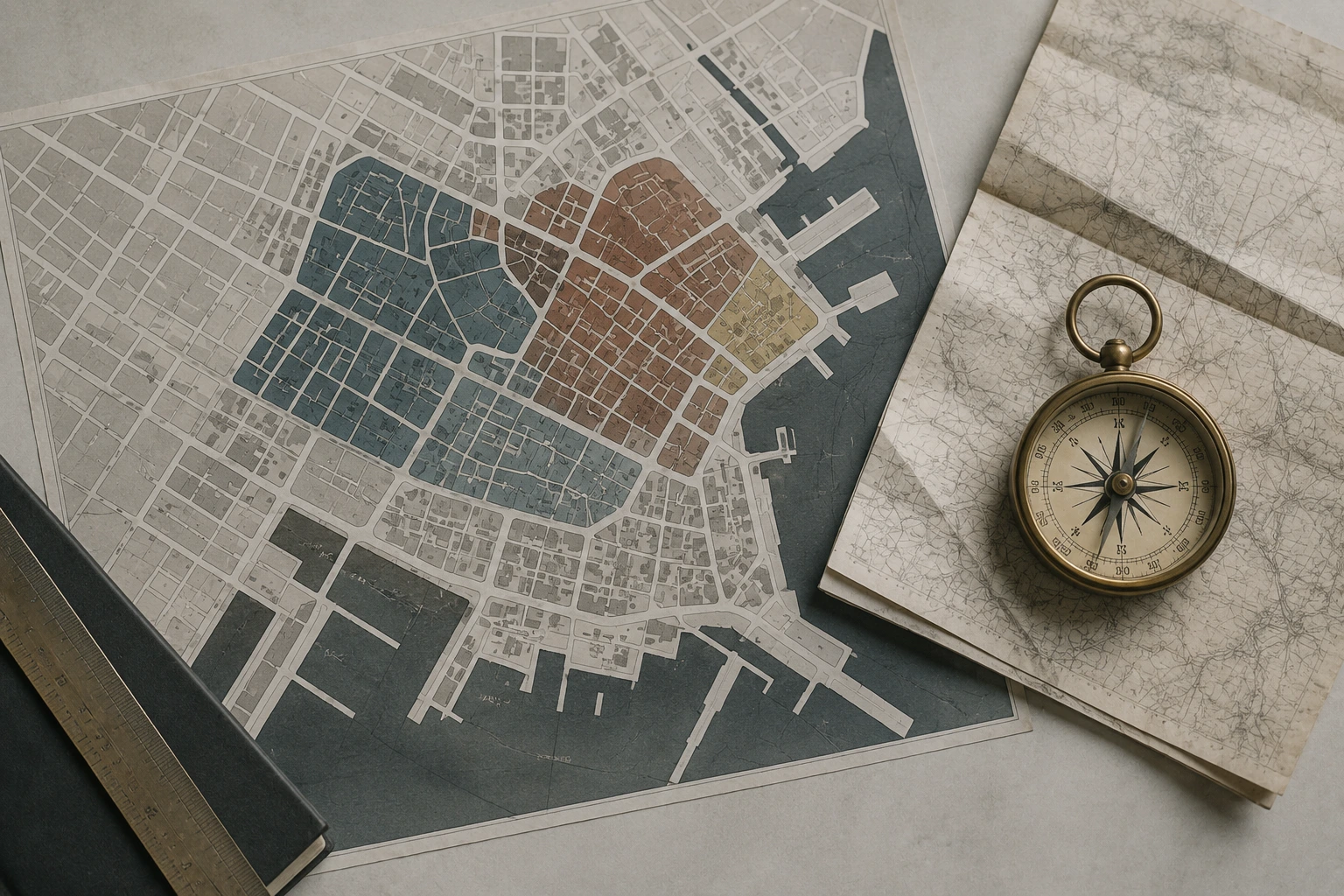
You can walk the whole quarter in one evening, but each part is for something different, and knowing which is which helps.
| Area | What it is |
|---|---|
| The Reeperbahn itself | The main strip: bars, clubs, theatres, restaurants, all kinds of nightlife |
| Grosse Freiheit | Side street with clubs and music venues, famous from the early Beatles years |
| Herbertstrasse | Gated sex-work street with restricted access and old rules about who can go in |
| Hans-Albers-Platz & surrounds | Bars and smaller places, quieter than the main strip |
| Spielbudenplatz | Square with theatres, events and markets, the mainstream side of the quarter |
Herbertstrasse is the part everyone has heard of and the one with the strictest rules. It's screened at both ends and, by long local custom, only adult men go in. It's a small, specific part of the quarter, not typical of it, the streets around it are normal nightlife. Thinking the whole district is like Herbertstrasse is the most common mistake visitors make.
Is the Reeperbahn Legal?
Yes. Sex work is legal in Germany under the Prostitutionsgesetz of 2002 and regulated by the Prostituiertenschutzgesetz of 2017, and Hamburg allows it in defined areas, the Reeperbahn and St. Pauli being the best known. Providers have to register with the authorities and carry current papers, condoms are required by law, and venues need a permit.
What makes Hamburg different is that it allows one visible, concentrated zone instead of spreading the trade out. Munich does the opposite, and Berlin has no restricted district at all. Each city decides this locally, not the federal government, and the city-by-city picture is in our guide to where escort work is legal across Germany. For the Reeperbahn the short version is: it's one of the country's official permitted zones, that's exactly why the trade is so visible there.
What Is There to See Beyond the Red-Light Trade?
The Reeperbahn is a real tourist destination now, and most of the people there have nothing to do with sex work.
- Live music. The quarter is a big part of Hamburg's music history and still full of venues. Grosse Freiheit and its clubs are part of the city's Beatles story.
- Theatre. Big musical theatres near the strip pull in families and tourists every night.
- Nightlife. Bars and clubs all over the quarter, for everyone from stag parties to locals, way beyond the adult venues.
- The Sunday fish market. The Fischmarkt nearby is a Hamburg classic, and the traditional end to a Reeperbahn night is breakfast there at dawn.
- Football. FC St. Pauli's stadium is in the quarter and the club is part of the district's character.
That's why the place can feel contradictory: a family coming out of a musical and a stag party going into a club walk past the same corner. Both belong there now.

How Does the Escort Scene Relate to the Reeperbahn?
This is where most visitors get the wrong idea. The venue and street trade around the Reeperbahn is just one part of Hamburg's market, and for many visitors not the part they need. Independent escorts, booked in advance, working discreetly and often nowhere near St. Pauli, work in a completely different way.
The difference matters for three practical reasons. Independents are usually booked ahead through directories, not met on the street. They work all over the city, not only in the permitted zone. And everything is arranged privately, not tied to a venue. If you think the Reeperbahn is the only way to find company in Hamburg, you're only seeing a small slice of it. Browse Hamburg companions to see the independent side, and the practical stuff, screening, incall or outcall, what to expect, is in the Hamburg escort guide. For the top end of that market our piece on high-class companions in Hamburg goes deeper.
Staying Safe and Streetwise on the Reeperbahn
The Reeperbahn has a lot of police around and is mostly safe, but it's a nightlife district with the usual problems. A few things to know:
- Watch out for overpriced bars. Some bars, especially the ones with people pulling you in from the street, run up huge tabs. Check prices before you order.
- Keep your valuables safe. Crowds mean pickpockets, the usual city rules apply.
- Respect the Herbertstrasse rules. Photos aren't welcome and the access rules are taken seriously.
- Don't photograph sex workers anywhere. It's intrusive, and in the gated areas people will stop you.
- For company, book a verified provider instead of wandering around. A verified booking is safer than a street approach, it's the same everywhere, and our German etiquette guide explains it.
Frequently Asked Questions
What is the Reeperbahn known for?
It's Hamburg's red-light and nightlife district in St. Pauli, famous for its bars, music venues, theatres and regulated sex work. It's one of the best-known districts like this in Europe.
Is the Reeperbahn legal?
Yes. Sex work is legal and regulated in Germany, and Hamburg allows it in defined areas including the Reeperbahn. Providers have to register, condoms are required and venues need permits.
Can anyone walk down the Reeperbahn?
Yes, the main strip is a public street and open to everyone, and most of it is normal nightlife and theatre. Herbertstrasse, a small gated street inside the quarter, has stricter access rules.
What is Herbertstrasse?
A short gated street in the Reeperbahn quarter just for sex work. It's screened at both ends and by old custom only adult men go in. It's a small part of the district, not typical of it.
Is the Reeperbahn safe for tourists?
Mostly yes, it's busy and well policed. Normal nightlife rules apply: watch out for overpriced bars, keep your valuables safe and pay attention late at night.
Is booking an escort the same as visiting the Reeperbahn?
No. The Reeperbahn is about venues and the street. Independent escorts are booked privately in advance and work all over the city, it's a completely different thing. Most visitors who want company go the independent route.
What else is there to do around the Reeperbahn?
Live music, musicals, bars and clubs, the Sunday Fischmarkt nearby and FC St. Pauli football. The quarter is a normal destination now, much more than its red-light reputation.
The Short Version
Think of the Reeperbahn as three things in one quarter: an old port-city party strip, a regulated red-light zone on a few streets, and a more and more mainstream spot for theatre, music and football. Sex work there is legal, visible and limited to permitted areas, with Herbertstrasse as the strictest and most misunderstood corner. If what you want is company, the Reeperbahn is only one small option. The independent scene, which you'll find by browsing companions in Hamburg, is separate and usually a better fit. For the legal background see where escort work is legal across Germany.